

C-DRAPS integrates data on both hazard data and population vulnerabilities that would affect healthcare workers’ treatment approach or ability to treat disaster-exposed individuals. The number and robustness of the geospatial datasets feeding the region-based analysis (disaster, environmental hazards, mobility/travel patterns, and social determinants/health equity data) will provide a multifaceted picture of the region-specific environmental risks. Understanding community-based SDOH and factors causing health [in]equity barriers, along with regional environmental risks and hazards, will allow healthcare organizations in NM and across the country to design and conduct specific, targeted training that is more specific to patient heterogeneity, disorder severity, compounding comorbidities, and conditions that they are most likely to experience. This novel approach of combining population vulnerability data and environmental hazard data has not been applied to healthcare disaster training.
C-DRAPS leverages an algorithm and risk index that “scores” a region based on numerous key data points about the region’s specific risk profile, including likelihood of natural disasters, EH, access to healthcare and other critical infrastructure, chronic disease characteristics of regional populations, community-level health SDOH, and the 7 Vital Conditions. We evaluate potential covariates for the risk index based on various factors including missingness, collinearity, distribution, etc., and adjust these variables as appropriate (e.g., normalizing variables, and implementing multiple imputations). We assess which potential covariates provide the greatest explanatory and predictive ability and use that information to generate a risk index.
C-DRAPS data-driven approach is innovative; it completely shifts the current paradigm of how
healthcare designs training for disaster response and includes considerations of those with
chronic disease. These resources will increase access to medical diagnosis and care.
However, the presence of the disaster induces stressors not present in non-disaster regions
so the disaster itself may increase the prevalence of the disease. Understanding this
relationship would allow better utilization of resources for populations impacted by disasters.


 Dr. Roberta P. Lavin Project Lead, UNM |
 Dr. Xi Gong Project Co-Lead, UNM |
 Dr. Xiazhong Yu Co-I, UNM |
|---|---|---|
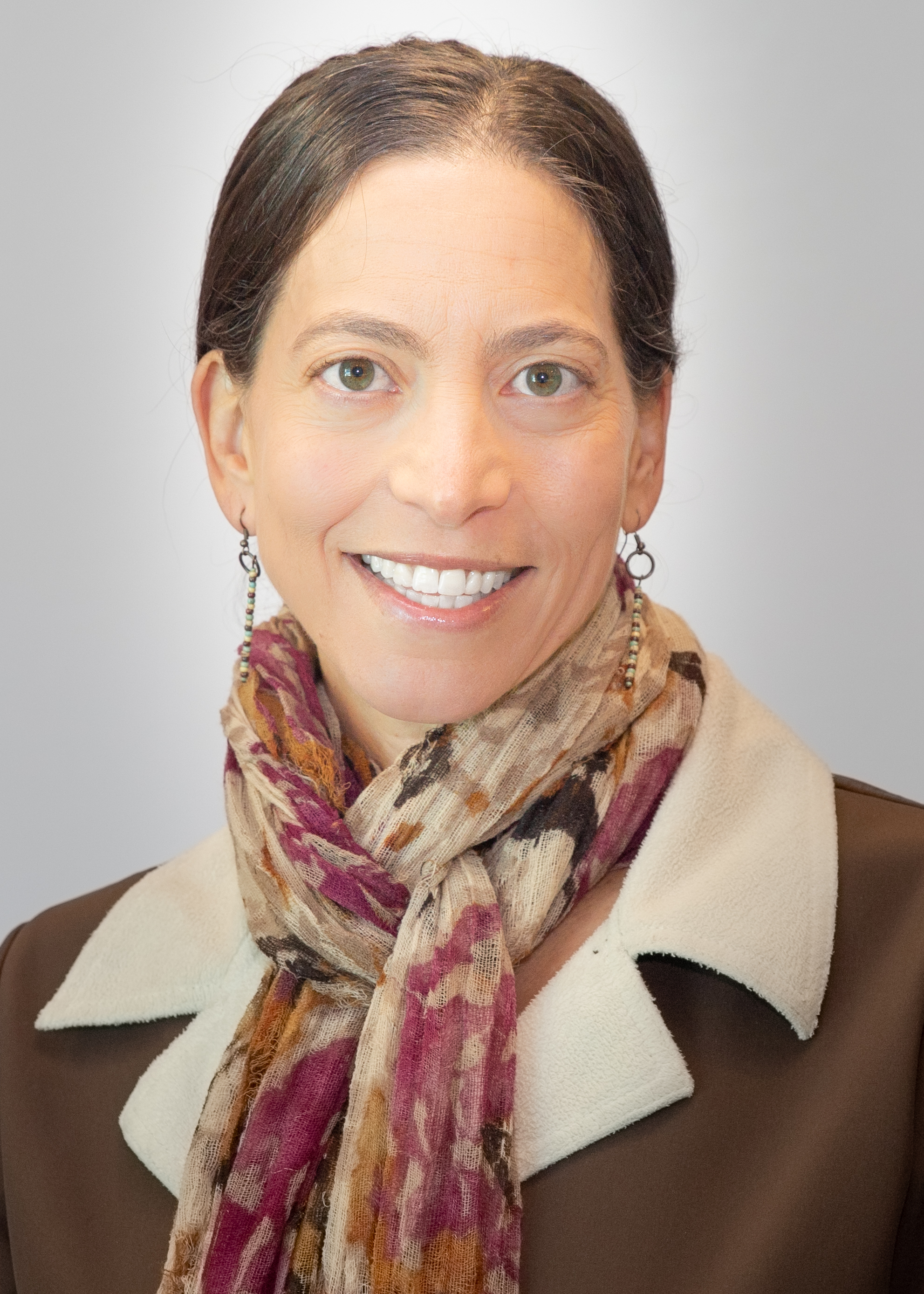 Dr. Jessica Goodkind Co-I, UNM |
 Dr. Mary Pat Couig Collaborator, UNM |
 Fermin Ramos Research Assistant, UNM |
- MD Syntax: https://www.markdownguide.org/basic-syntax/
- GitHub Emojis: https://www.markdownguide.org/cheat-sheet/
- Progress Bars: https://github.com/gepser/markdown-progress
- Repository Download: https://download-directory.github.io/